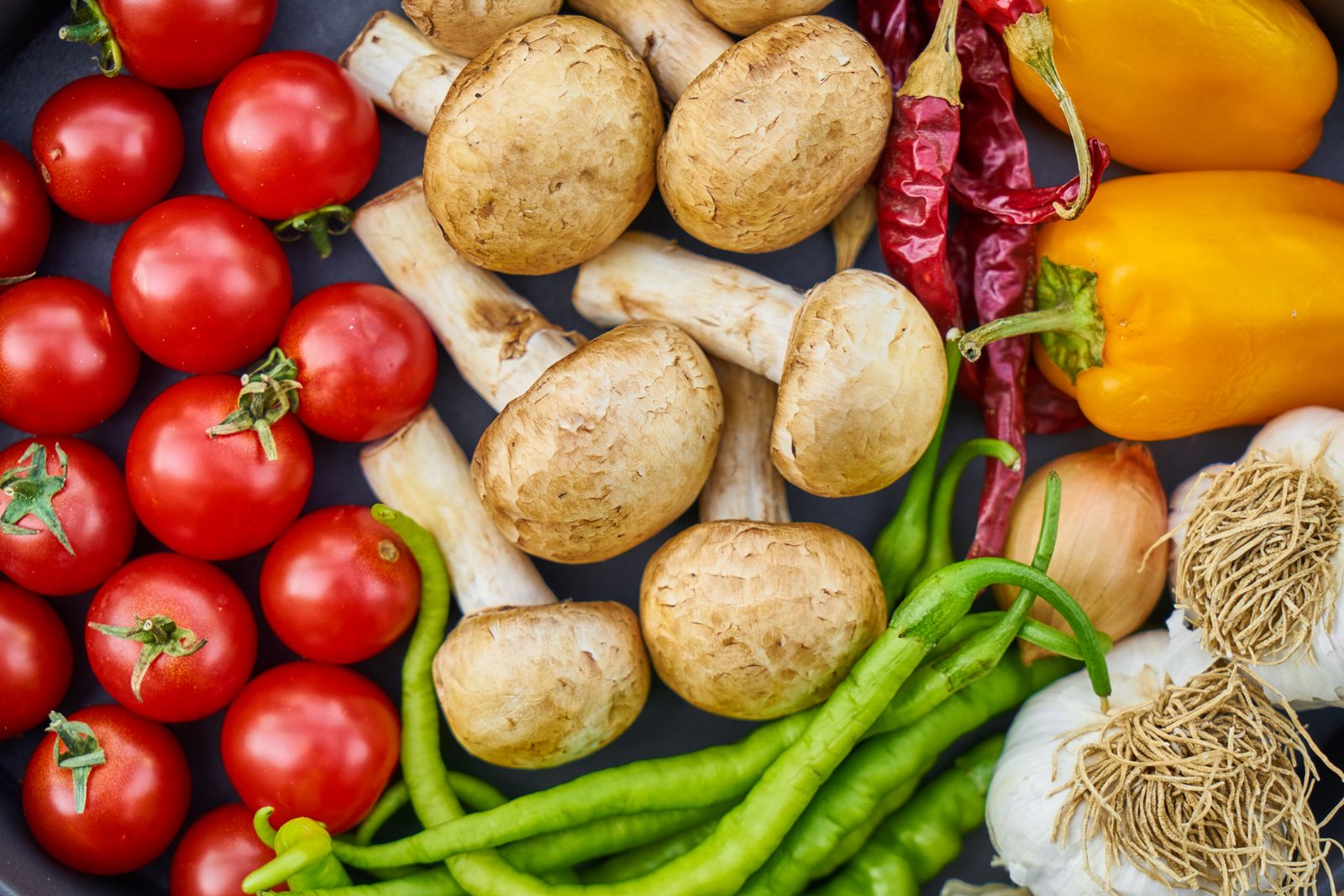
Diet Tip: Add Veggies to Everything (and 15 Easy Ways to Do It)
Quick summary
- Vegetables are low in energy density: lots of food, few calories.
- Their fiber and water help you feel full on less.
- U.S. guidelines suggest about 2½ cups of vegetables a day on a 2,000-calorie diet. Most adults eat far less.
- Easiest strategy: add a vegetable to every meal you already eat.
One of the simplest diet tips is also one of the most effective: add vegetables to everything. You don’t have to give up your favorite meals. You just make room on the plate for more plants.
Why vegetables help with weight loss
- Low energy density. Most vegetables are mostly water and fiber, so you can eat a large portion for very few calories. Research by Barbara Rolls at Penn State found that eating lower-energy-density foods helps people feel satisfied while eating fewer calories.
- Fiber keeps you full. Fiber slows digestion and adds bulk, helping you stay satisfied longer.
- Nutrients you need. When you eat less, vegetables help you still get vitamins, minerals and antioxidants. The Harvard T.H. Chan School of Public Health links diets rich in vegetables and fruit with lower risk of heart disease and stroke.
How much should you aim for?
The Dietary Guidelines for Americans recommend about 2½ cup-equivalents of vegetables per day for a 2,000-calorie diet. A cup-equivalent is roughly 1 cup of raw or cooked vegetables, or 2 cups of leafy greens. According to the CDC, only about 1 in 10 U.S. adults eats enough vegetables.
A simple visual: make half your plate vegetables and fruit at lunch and dinner.
15 easy ways to add veggies to everything
Breakfast
- Fold spinach, peppers or mushrooms into scrambled eggs or an omelet.
- Blend a handful of spinach or frozen cauliflower into your smoothie. You won’t taste it.
- Top avocado toast with sliced tomatoes, cucumber or arugula.
- Add sautéed zucchini or onions to a breakfast burrito.
Lunch
- Load sandwiches and wraps with lettuce, tomato, cucumber, sprouts and roasted peppers.
- Start lunch with a side salad or a cup of vegetable soup.
- Swap half the rice in a bowl for cauliflower rice or extra greens.
- Add shredded carrots and cabbage to tuna or chicken salad.
Dinner
- Mix chopped vegetables into pasta sauce, chili or curry.
- Serve pasta over half noodles, half zucchini “noodles.”
- Add a tray of roasted vegetables to every dinner. Broccoli, Brussels sprouts and carrots roast well.
- Top homemade pizza with peppers, onions, spinach and mushrooms.
Snacks
- Keep pre-cut carrots, celery, cucumber and bell peppers in the fridge with hummus or Greek-yogurt dip.
- Snack on cherry tomatoes or snap peas.
- Try air-fried green beans or roasted chickpeas instead of chips.
Make it easy on yourself
- Frozen vegetables count and are often just as nutritious as fresh. They’re cheap and last for months.
- Prep once, eat all week. Wash and chop on the weekend.
- Watch the extras. Heavy dressings, butter and cheese sauces can add hundreds of calories. Use herbs, lemon, vinegar, spices or a measured drizzle of olive oil.
The bottom line
Adding vegetables is a “do more” habit, not a “give up” habit, which makes it easier to keep. Start with one extra serving a day and build from there.
This article expands on a tip from our Instagram series. Follow @fastweightlossdietplan for a new tip every week.
Sources
- Dietary Guidelines for Americans
- Harvard T.H. Chan School of Public Health – Vegetables and Fruits
- Rolls BJ. The relationship between dietary energy density and energy intake. Physiol Behav. 2009.
- CDC – Only 1 in 10 Adults Get Enough Fruits or Vegetables (MMWR 2017)
This article is for general education and isn’t medical advice. Talk to your doctor or a registered dietitian before changing your diet or exercise routine, especially if you have a health condition, are pregnant or take medication. See our Medical Disclaimer.